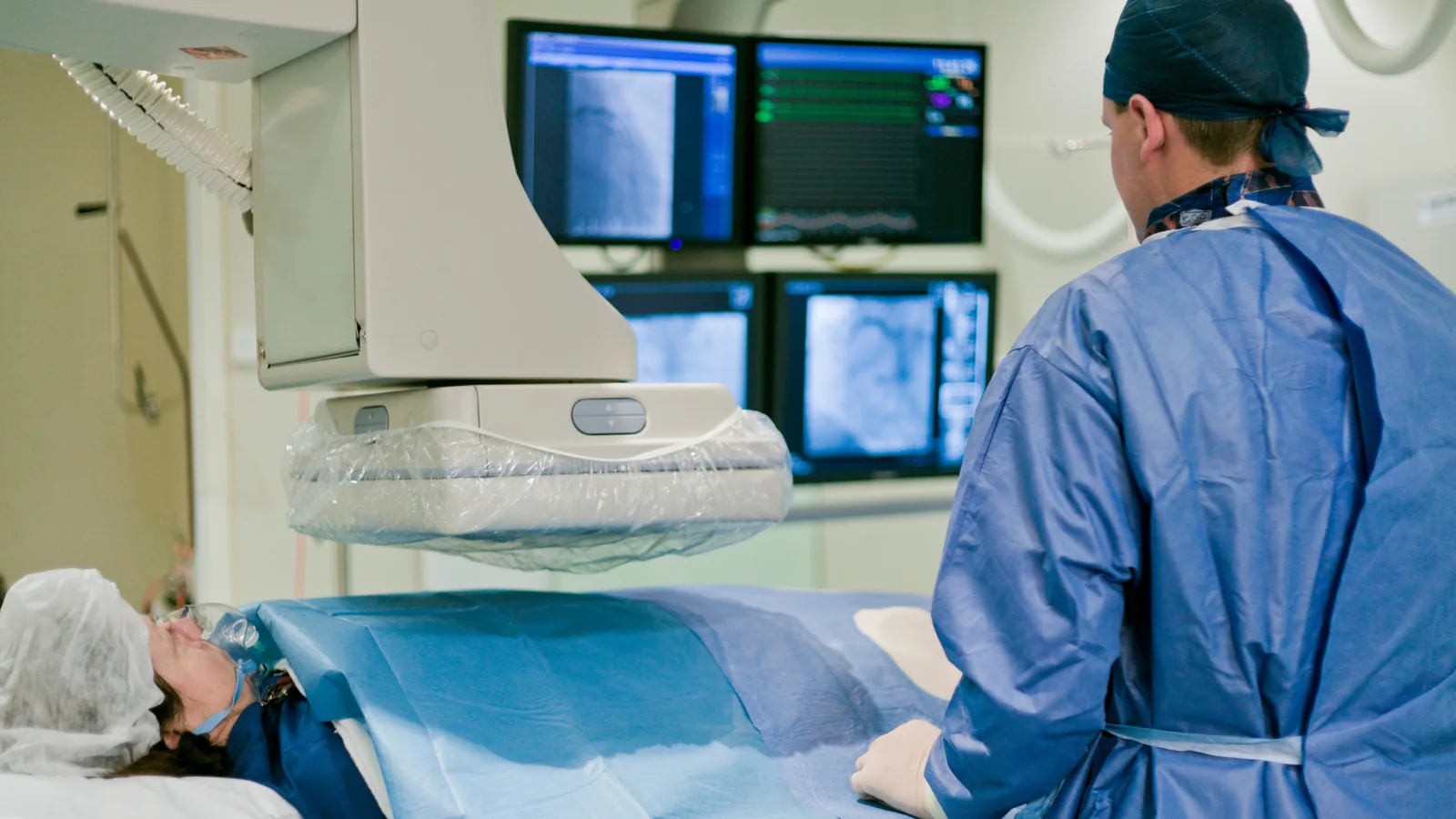
An NHS Cath Lab: Turning Performance Pressure into Collective Action
When a cardiac catheterisation lab set out to close the gap between the service it was delivering and the service it could deliver, the numbers were stark: 62% of performance potential, an estimated £200,000 lost each week, and a waiting list beyond 52 weeks. What it needed was not another action plan, but a team able to say honestly what was not working and take collective ownership of fixing it.
The challenge
The lab was operating at 62% of its performance potential, with an estimated £200,000 lost each week through inefficiencies in patient flow, scheduling and team coordination. The waiting list exceeded 52 weeks against an 18-week standard, and the team named the consequences clearly: patient risk, extended lengths of stay, and reputational pressure on the organisation. Decisions stalled whenever one person disagreed, and the conversations that would have unblocked them were not being had.
The solution
Braver Teams sessions anchored on the bigger picture, what the team needs to achieve on a performance basis, and addressed it through the relational infrastructure of trust and brave conversations. The premise: operational change sticks when teams can speak honestly about what is not working and take collective ownership of fixing it. The team left with brave conversations to take forward across performance, relational and feedback areas, and a follow-up check-in scheduled for the next session a month later.
The impact
Two sessions in, the team is already translating the work into operational change: face-to-face MDT meetings re-established for the first time since the programme began and now planned monthly, bringing people together across all areas to surface and solve problems collectively; the recovery area repurposed to move patients through more efficiently without additional resource; nurse-led patient lists proposed to remove the daily disruption of consultant changes, run as an experiment rather than stalling for full consensus, with the resulting data to build buy-in; direct conversations opened about session start and end times that had not previously felt possible; and a default practice challenged, with routine monitoring during patient moves, a habit formed after a single historical incident rather than best practice, now proposed for use only when clinically needed.
Even a modest improvement carries considerable financial impact: a 10% efficiency gain would meaningfully reduce the £200,000 weekly loss, with cumulative savings running to just over £1m a year, and the pace and volume of ideas the team is already testing makes that look more than achievable. Difficult conversations also enabled consultants to find a way of working together in a situation where one would otherwise have left the team, and three extractions were carried out in a single week as a direct result.